💡 Abstract
With frontier coding models heavily specialized, no single tool fits every stack. In the proprietary space, Claude Opus5.5 excels at interactive debugging, Claude Fable 5.1 drives autonomous long-running agents, GPT-6 Astra tackles complex concurrency, and Gemini 4 Argon leads massive repo refactors via immense throughput. Among open-weights options, DeepSeek V4 Pro enables secure on-premise deployment, Qwen 3.8-Max translates visual designs into code, and Kimi K3 sustains marathon refactors. The modern engineering strategy is not picking one model, but dynamically routing tasks across a multi-model workflow.
Navigating today’s crowded model ecosystem to choose the best LLM for coding can quickly feel overwhelming. When every new release promises 10x engineering productivity, figuring out which model actually delivers in your daily stack is no small feat.
To cut through the noise, this guide breaks down seven AI coding models—including Gemini 4 Argon, Claude Opus 5.5, Claude Fable 5.1, and more. By unpacking their distinct strengths and ideal use cases, we’ll help you pinpoint the best AI model for coding tailored to your exact stack.
Best LLMs for Coding
Best LLMs for Coding at a Glance
To help you pinpoint the best AI model for coding, the table below breaks down how today's leading options stack up across key engineering benchmarks, context limits, and their best real-world applications:
| Models | Best for | Context Window | DeepSWE v1.1 | Terminal-Bench 4.0 | SWE-Atlas-QnA |
|---|---|---|---|---|---|
| Claude Opus 5.5 | Full-stack agent workflows, CLI autonomy (Claude Code), and production-grade bug isolation | 1.0M | 68 | 60% | 66 |
| Claude Fable 5.1 | Overnight autonomous coding agents, multi-hour tool orchestration, and complex repository-wide migrations | 1.0M | 64 | 55% | 65 |
| GPT-6 Astra | High-complexity algorithmic design, deep concurrency debugging, and edge-case reasoning | 1.05M | 68 | 60% | 62 |
| Gemini 4 Argon | Large-scale repo migrations, cross-language rewrites, and monolithic codebase refactoring | 1.0M | 79 | 57% | 56 |
| DeepSeek V4 Pro | Frontier-class reasoning at a fraction of the cost | 1.0M | 57 | 14% | 62 |
| Qwen 3.8-Max | Autonomous multi-day coding agents and office productivity | 1.0M | 51 | 32% | 62 |
| Kimi K3 | Frontend and visual coding | 1.0M | 68 | 13% | 66 |
Best LLM for Coding: Proprietary Frontier Models
For complex architectures and mission-critical code, proprietary solutions offer unmatched precision. Here is a closer look at four industry-leading models from Anthropic, OpenAI, and Google.
Claude Opus 5.5 & Claude Fable 5.1(Anthropic)
Developed by Anthropic, Claude Opus 5.5 and Claude Fable 5.1 represent two distinct philosophies in modern AI engineering: one honed for real-time developer collaboration, and the other built for long-horizon autonomous execution.
Claude Opus 5.5 shines as the ultimate interactive pair programmer. Renowned for its category-leading terminal fluency and architectural reasoning, it thrives in developer-in-the-loop environments like Claude Code—excelling at surgical bug isolation, dynamic CLI refactoring, and rapid-fire production debugging with remarkable precision.
Claude Fable 5.1 is built for unattended, multi-hour agent workflows. Designed to run extended loops without losing focus or drifting logically, it excels at orchestrating complex toolchains, repo-wide migrations, and overnight test-and-repair cycles on its own.
Best for
Claude Opus 5.5 excels at high-stakes, interactive troubleshooting, from isolating elusive production regressions in the terminal to guiding fast-paced, multi-file refactors alongside developers. Claude Fable 5.1 is built for hands-off engineering marathons, effortlessly handling repo-wide dependency upgrades and running unattended, overnight test-and-repair loops without drift.
GPT-6 Astra(OpenAI)
Released by OpenAI in September 2026, GPT-6 Astra serves as the flagship powerhouse for high-stakes technical problem-solving. Equipped with a 1.05-million-token context window and a 128K output limit, it combines vast codebase comprehension with OpenAI's most rigorous reasoning architecture to date.
In software development, Astra’s defining edge is sheer algorithmic discipline and precision under pressure. Rather than just churning out boilerplate, it excels at navigating mathematically complex logic, untangling multi-threaded concurrency bugs, and systematically catching elusive edge cases across mission-critical systems.
Best for
Mission-critical systems and zero-tolerance algorithmic tasks. Engineering teams lean on it to build custom cryptographic primitives, fine-tune distributed state machines, and hunt down elusive concurrency bugs in core financial or payment infrastructure.
Gemini 4 Argon(Google)
Released by Google in October 2026, Gemini 4 Argon acts less like a simple code assistant and more like an autonomous systems architect, built to explore, reason through, and restructure complex repositories with minimal guidance.
Its standout advantage is sheer scale: a 1-million-token context window paired with a groundbreaking 1-million-token output limit. This allows Argon to ingest entire codebases at once and execute massive refactors, legacy monolith migrations, and deep cross-service debugging in a single, uninterrupted pass.
Best for
In practice, it excels at heavy-duty engineering tasks like untangling sprawling legacy monoliths and executing full-system language migrations. Thanks to its massive throughput, it can trace complex cross-service bugs and deliver complete, multi-file refactors in a single pass.
Best LLM for Coding: Open-Source Frontier Models
Keeping your codebase private no longer means compromising on capability. Below, we break down three standout open-weights powerhouses from DeepSeek, Alibaba, and Moonshot AI.
DeepSeek V4 Pro(DeepSeek)
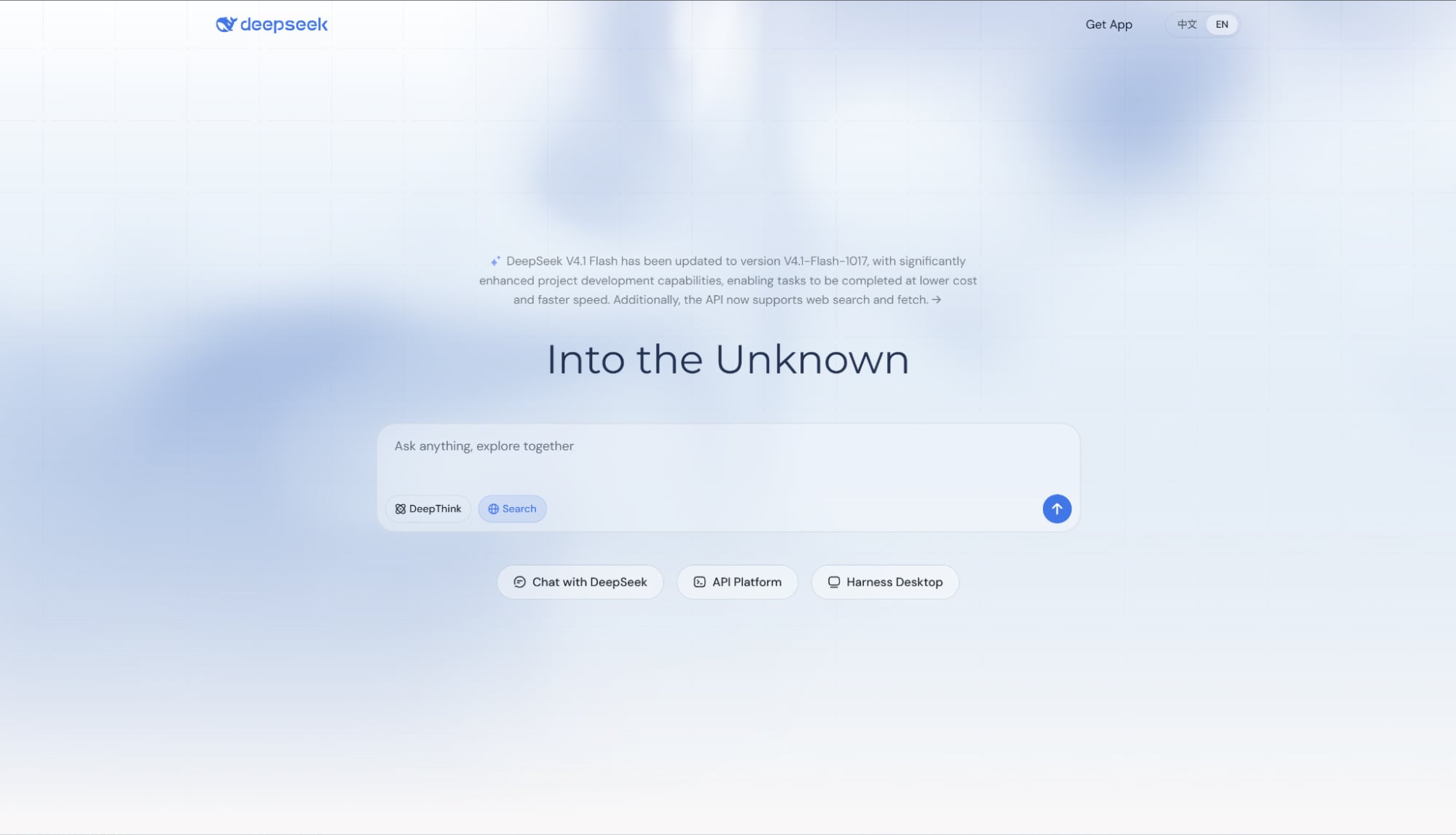
When DeepSeek launched DeepSeek V4 Pro in August 2026 under an MIT license, it offered a genuine alternative to walled-garden models. Shipped with open weights, it gave engineering teams flagship-grade intelligence they can inspect, fine-tune, and host on their own terms—free from proprietary lock-in.
At the keyboard, a 1-million-token window and a lean MoE engine keep it sharp across sprawling repositories. It isolates multi-file regressions with surgical clarity and effortlessly powers self-hosted coding agents, proving that keeping your code private no longer means compromising on capability.
Best for
Air-gapped enterprise environments and regulated industries where proprietary code cannot touch external cloud APIs. It is ideal for powering private, self-hosted coding agents and executing comprehensive, automated audits across sensitive on-prem repositories.
Qwen 3.8-Max(Alibaba)
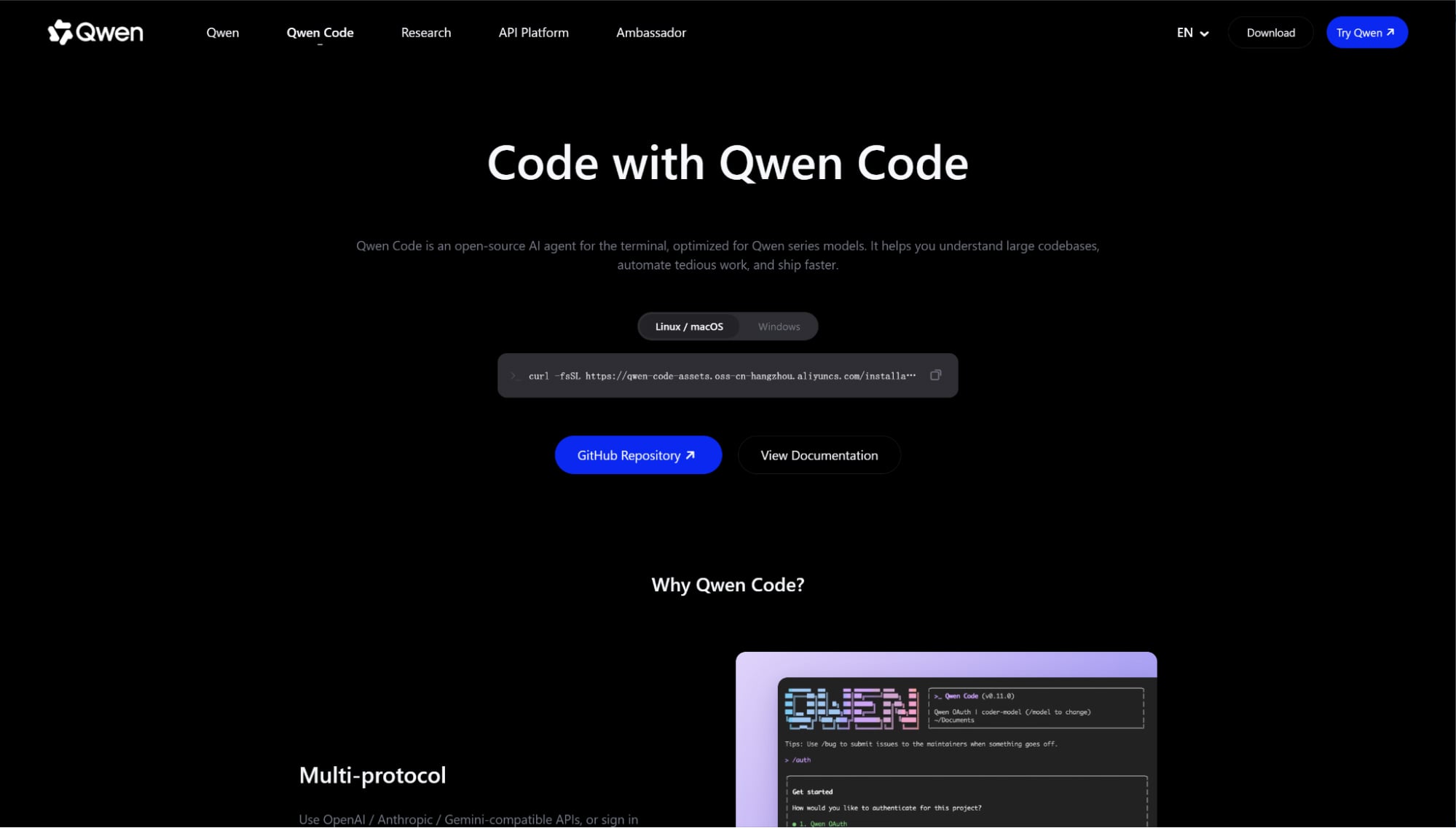
Launched by Alibaba in August 2026, Qwen 3.8-Max brings frontier-grade intelligence to the open-weights ecosystem. Powered by a 2.4T MoE architecture that activates just 95B parameters across a 1-million-token window, it pairs deep reasoning with the freedom to deploy and fine-tune on your own terms.
In software development, its defining edge is the pairing of autonomous execution with native visual intelligence. It thrives in closed-loop workflows—translating UI mockups directly into frontend code and driving terminal-based agent tasks with minimal human intervention.
Best for
Multimodal frontend generation and autonomous, closed-loop workflows in self-hosted environments. It excels at translating visual UI/UX designs directly into production code and driving terminal-based agents through end-to-end test-and-repair cycles.
Kimi K3(Moonshot AI)
When Moonshot AI rolled out Kimi K3 in July 2026, it tackled open-weights coding’s biggest flaw: stamina. Packing 2.8T parameters across a 1-million-token window, it powers through marathon engineering tasks that typically derail open models.
When coding, it acts less like an autocomplete widget and more like a true autonomous partner. K3 drives terminal tools, tackles messy multi-file refactors, and uses native visual reasoning to debug UI regressions in real time—with remarkably little hand-holding.
Best for
Marathon refactors across massive codebases and terminal-driven agent workflows. It excels at long-horizon engineering tasks and vision-guided UI debugging with minimal human oversight.
HIX AI Chat Agent: Spot the Best LLM for Coding
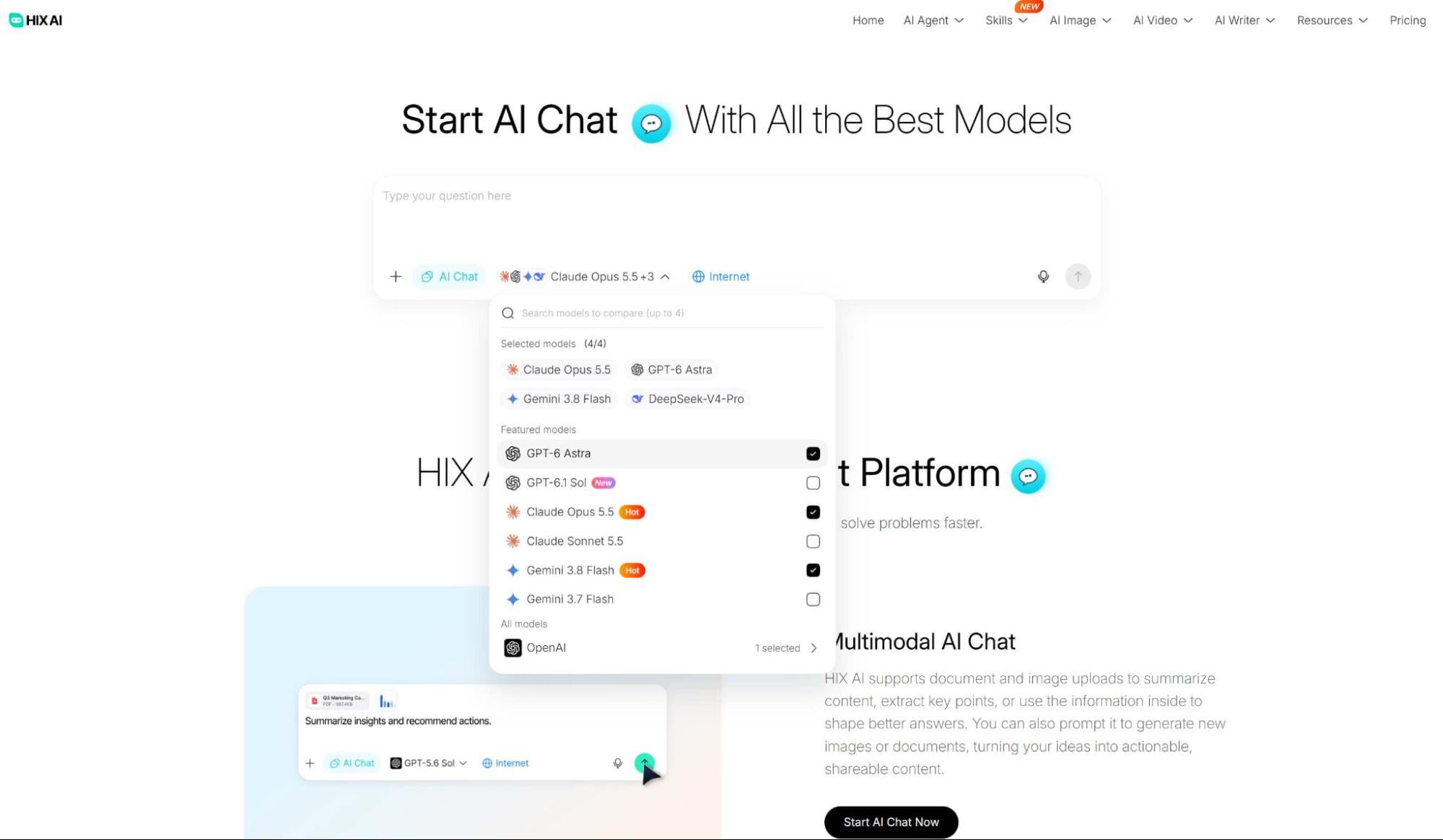
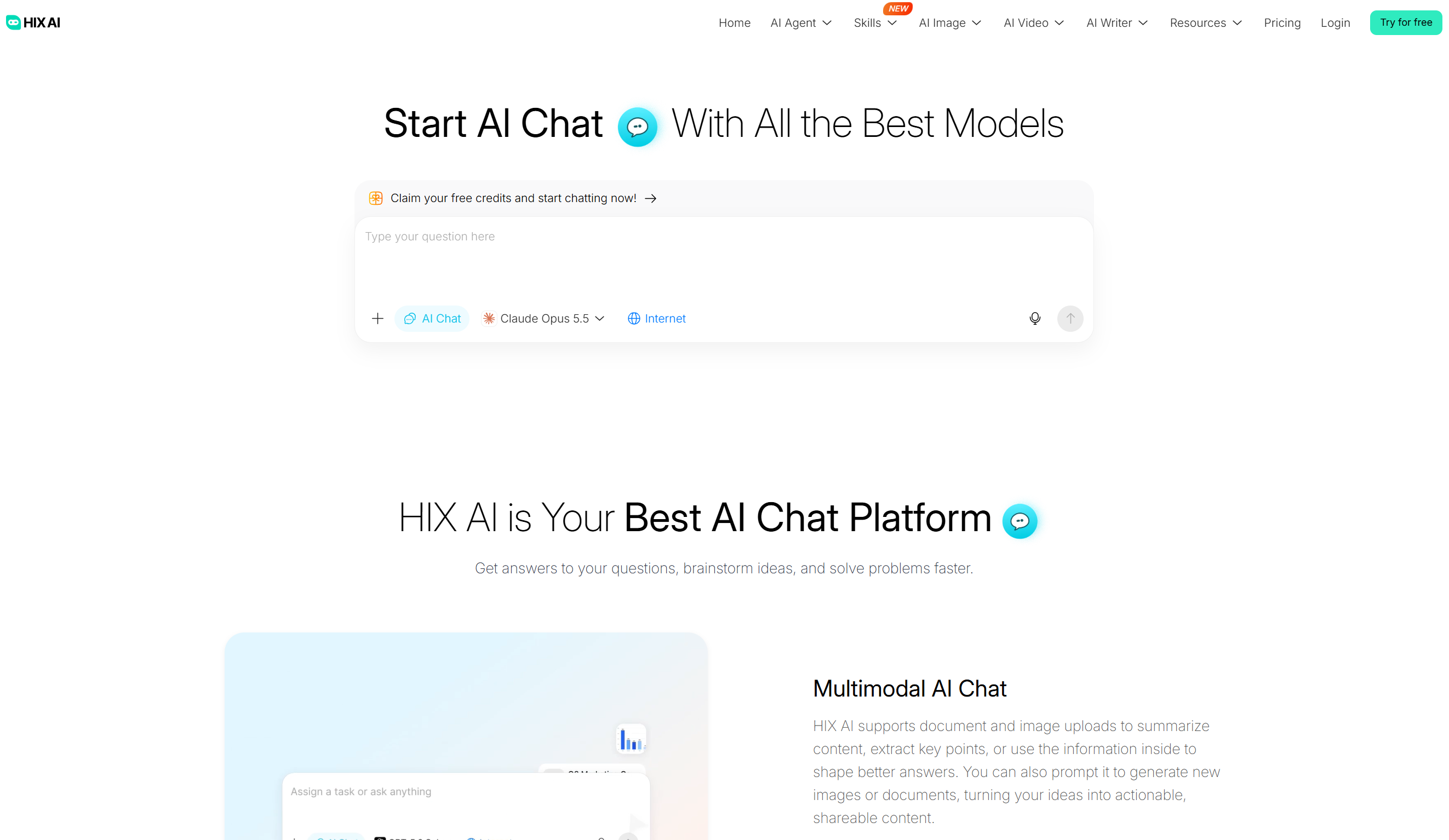
HIX AI Chat Agent unifies frontier models—including Gemini 4 Argon, Claude Opus 5.5, Claude Fable 5.1, GPT-6 Astra, and Qwen 3.8-Max—into a single workspace. Instead of juggling fragmented subscriptions, developers get direct access to the industry’s sharpest reasoning engines under one roof.
Its side-by-side comparison mode takes the guesswork out of model selection. Submit a single coding prompt, run it across four models simultaneously, and inspect their logic and edge cases in parallel to pinpoint the best LLM for coding in seconds.
Just as importantly, it lets you route tasks to each engine's natural sweet spot. Rather than forcing a one-size-fits-all workflow, you can assign Claude to system architecture, lean on Qwen for UI-to-code generation, or deploy Gemini for massive-context codebase audits.
Chat with HIX AI
Conclusion
The reality is that there is no absolute "best LLM for coding." Different engineering challenges demand entirely different strengths—from rapid frontend prototyping to deep architectural refactoring. Rather than relying on a one-size-fits-all engine, the smartest approach is evaluating models against your specific workflow to find the most suitable AI model for coding.
HIX AI makes that decision effortless. By letting you visually compare responses across multiple leading models side by side, it strips away the guesswork—helping you quickly pinpoint the optimal solution for your programming tasks.